Cat breed · United States
American Curl
Mèo tai xoăn Mỹ

The American Curl is known for its swept-back, tufted ears [1]. Curls are very people-oriented, easygoing and keep a kitten-like personality into adulthood [1]. They come in two coat lengths and in any genetically possible colour [1]. The breed is recognised by CFA (Cat Fanciers' Association): The world's largest registry of pedigree cats, based in the US. It keeps pedigree records, writes breed standards and runs cat shows. All terms , TICA (The International Cat Association): An international cat registry based in the US and one of the largest. It often recognizes newer breeds before CFA does. All terms [3] and FIFe (Fédération Internationale Féline): The International Feline Federation, an umbrella body of cat clubs, mostly in Europe. All terms [2].
Contents (10 sections)
Quick facts
- Origin
- United States (California, 1981)
- Weight
- ~2.3–4.5 kg
- Lifespan
- ~12–16 years
- Coat
- short or long
- Energy
- moderate
Details & sources
Traits (scale 1–5)
- Energy
- 3/5
- Shedding
- 2/5
- Grooming needs
- 2/5
- Good with kids
- 5/5
- Vocal
- 2/5
- Independence
- 2/5
Basis: Editorial estimate based on CFA (Cat Fanciers' Association): The world's largest registry of pedigree cats, based in the US. It keeps pedigree records, writes breed standards and runs cat shows. All terms 's description, not a measurement
Recognized by major cat registries
Cat registries keep pedigree records and set the standard for each breed. Tap an abbreviation to see what it means.
| CFA (Cat Fanciers' Association): The world's largest registry of pedigree cats, based in the US. It keeps pedigree records, writes breed standards and runs cat shows. All terms US | Yes |
|---|---|
| TICA (The International Cat Association): An international cat registry based in the US and one of the largest. It often recognizes newer breeds before CFA does. All terms international, US-based | Yes |
| FIFe (Fédération Internationale Féline): The International Feline Federation, an umbrella body of cat clubs, mostly in Europe. All terms Europe | Yes |
| GCCF (Governing Council of the Cat Fancy): The UK's oldest pedigree cat registry (since 1910). All terms UK | - |
GCCF (Governing Council of the Cat Fancy): The UK's oldest pedigree cat registry (since 1910). All terms : pending verification.
History
In 1981 a stray kitten with curled ears turned up on a doorstep in California [1]. She was a black female named Shulamith, and she became the breed's foundation cat [1]. Her kittens showed that the curl is Autosomal: The gene is not on a sex chromosome, so males and females are equally likely to inherit it. All terms Dominant gene: One copy from either parent is enough for the trait to show. All terms : one copy of the gene is enough [1]. Original breeders Joe and Grace Ruga worked with CFA judges to draft a standard [1]. Curl-eared cats were then crossed with domestic shorthairs and longhairs that fit it [1].
Appearance
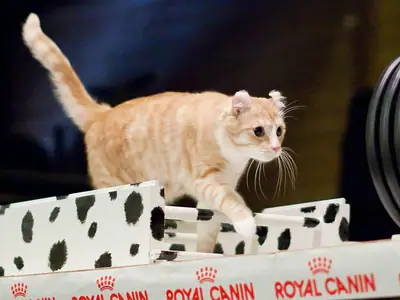
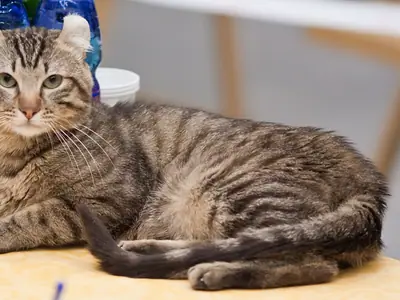
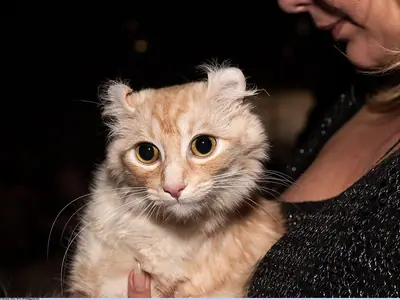
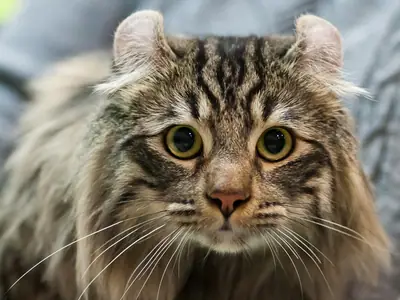
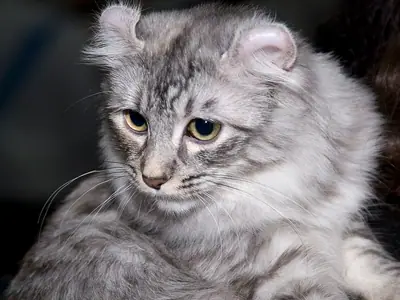
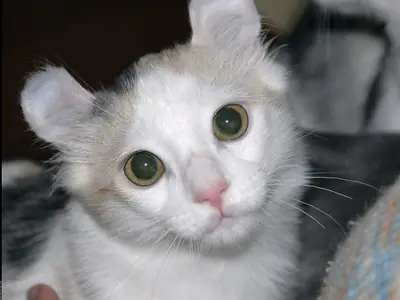
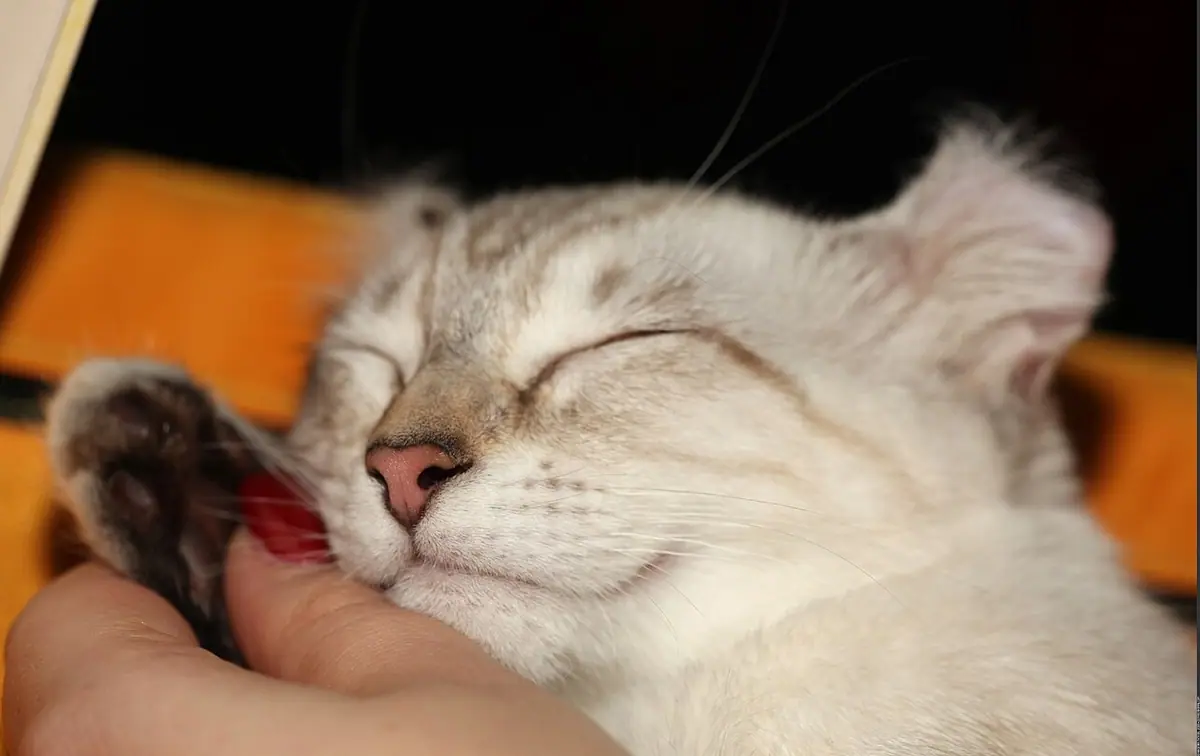
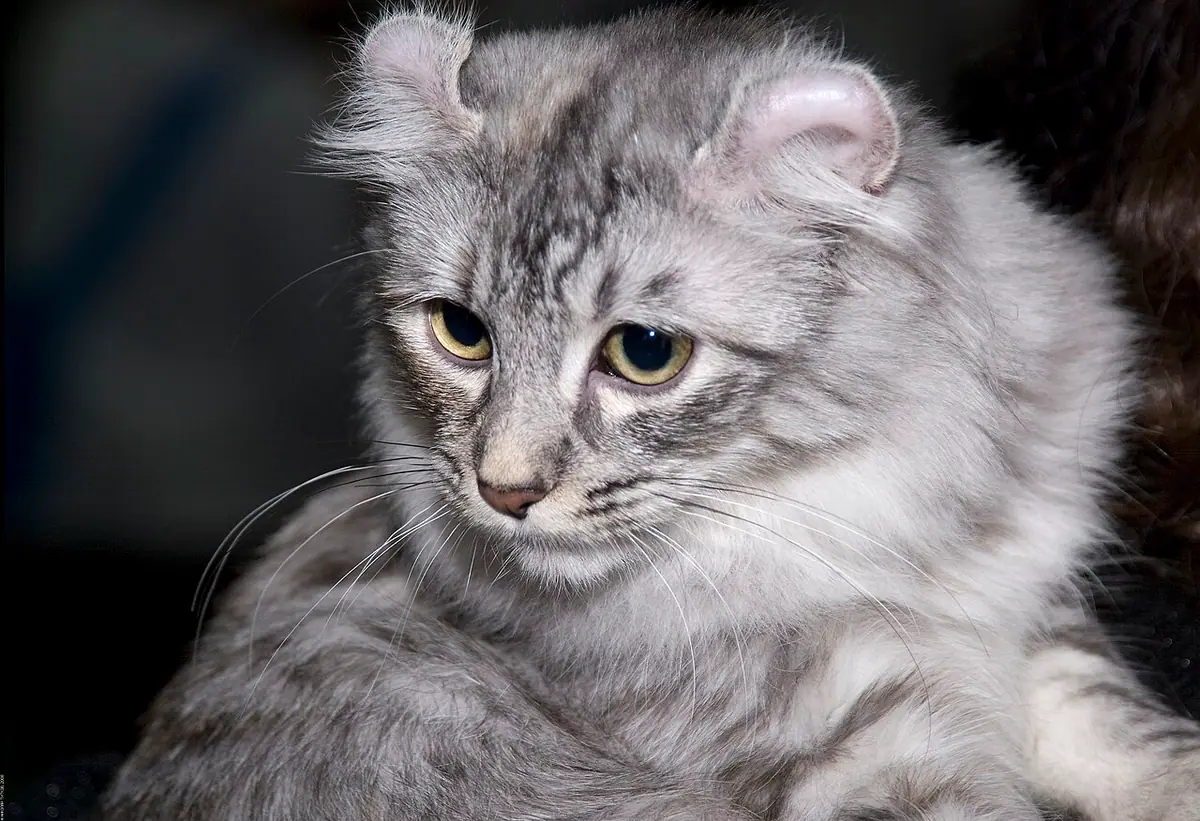
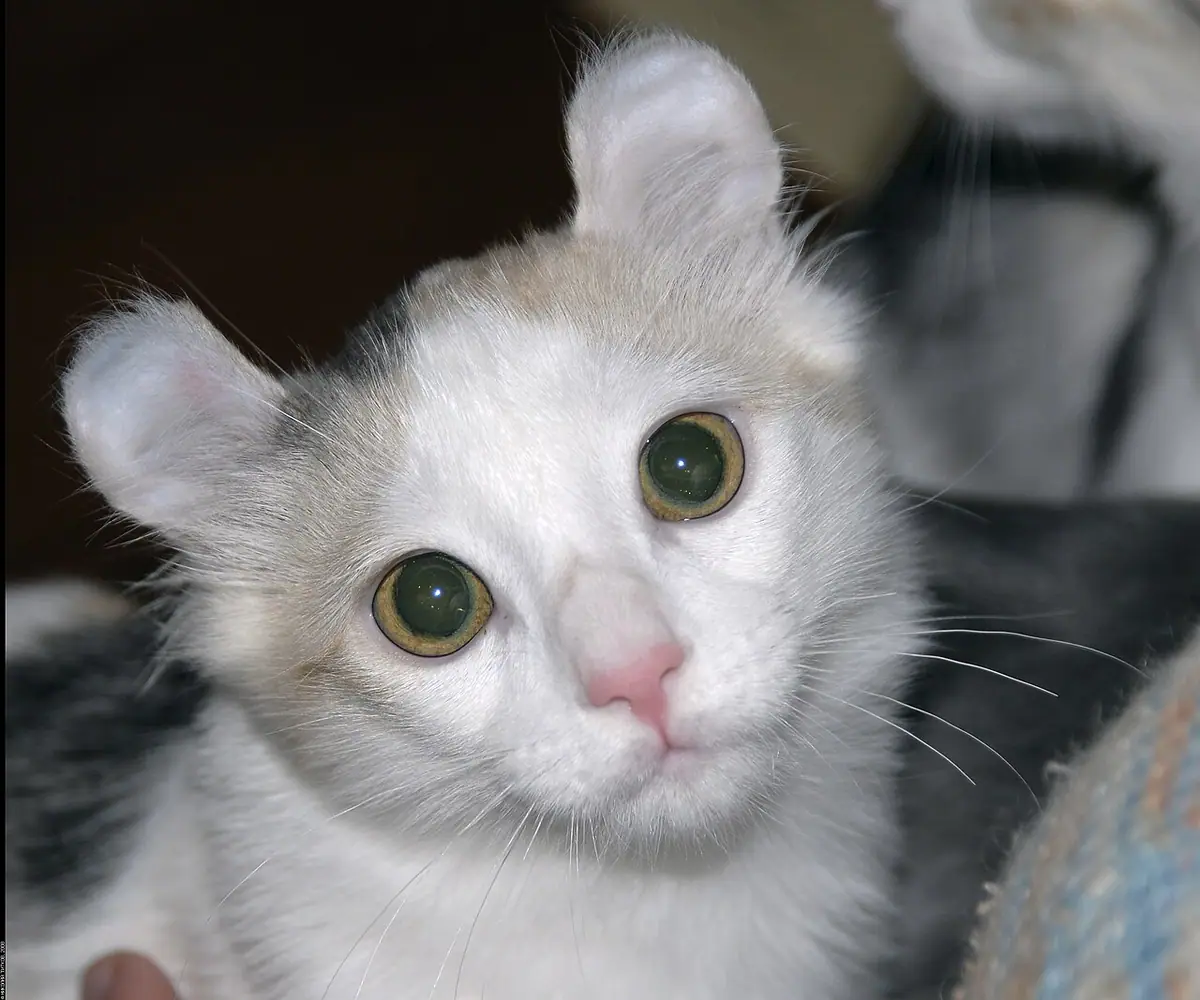
- Ears: curled backward and tufted. The curl ranges from almost straight (pet quality) to a 90–180 degree arc (show quality) [1].
- Body: medium-sized and rectangular, with a tail about as long as the body [1].
- Head and eyes: a modified wedge with expressive walnut-shaped eyes [1].
- Coat: short or long, silky and flat-lying, with minimal undercoat [1].
Photo gallery
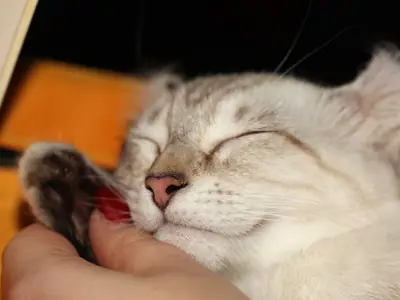
7 photos · tap to enlarge- (enlarge, photo 1/7)
- (enlarge, photo 2/7)
- (enlarge, photo 3/7)
- (enlarge, photo 4/7)
- (enlarge, photo 5/7)
- (enlarge, photo 6/7)
- (enlarge, photo 7/7)
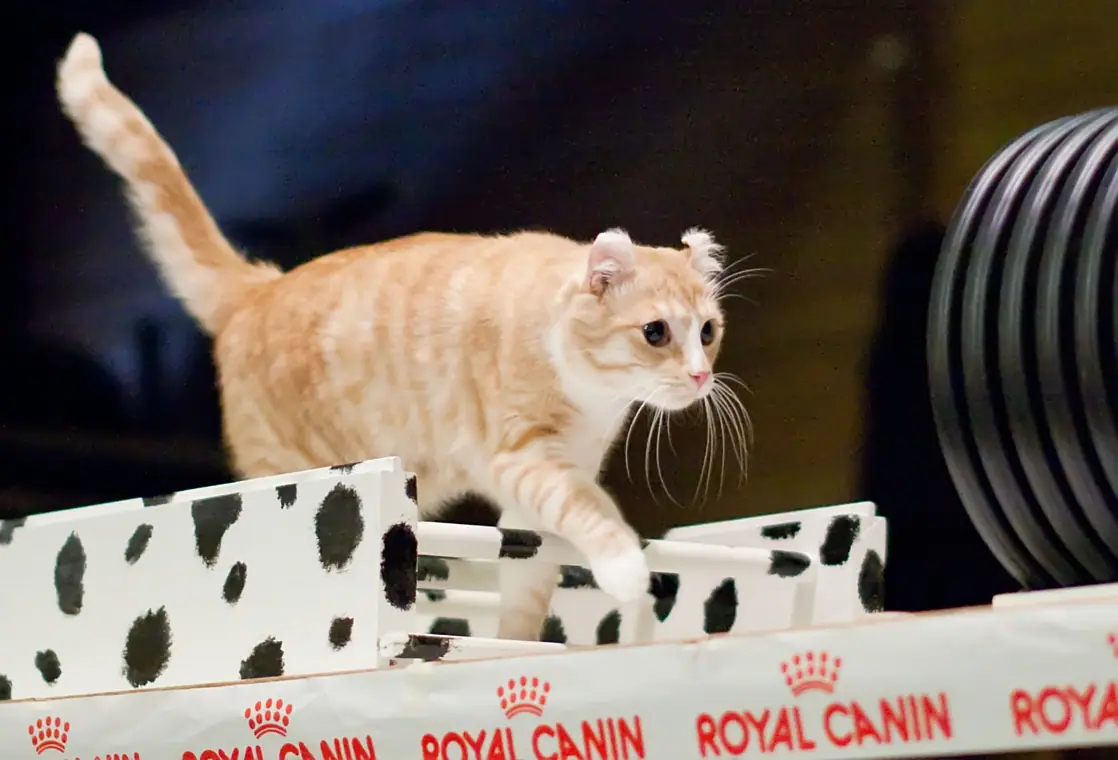
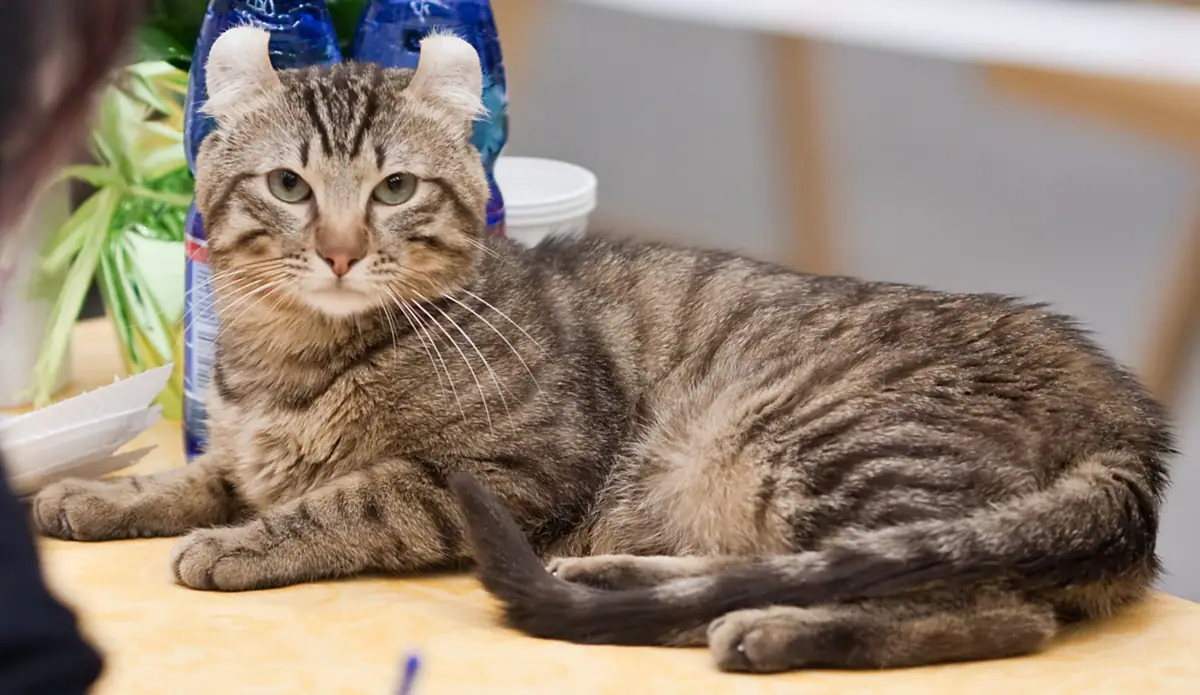
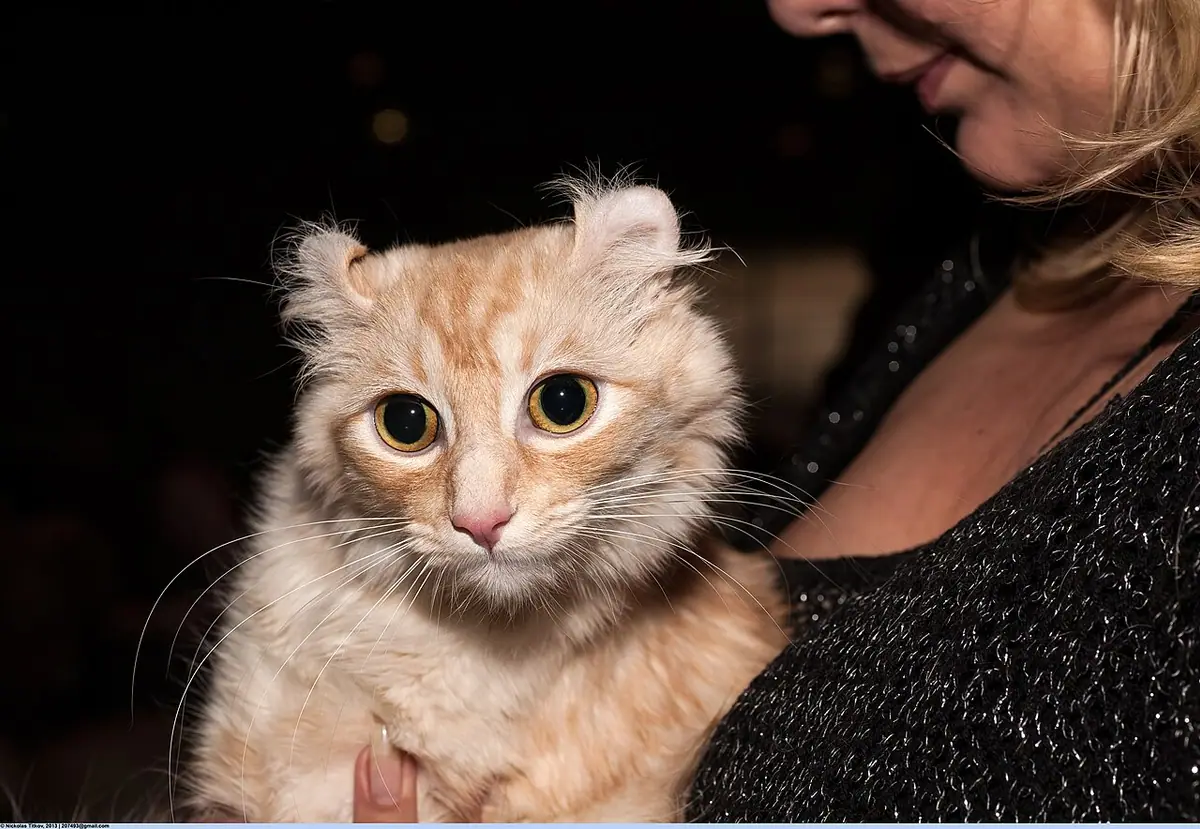
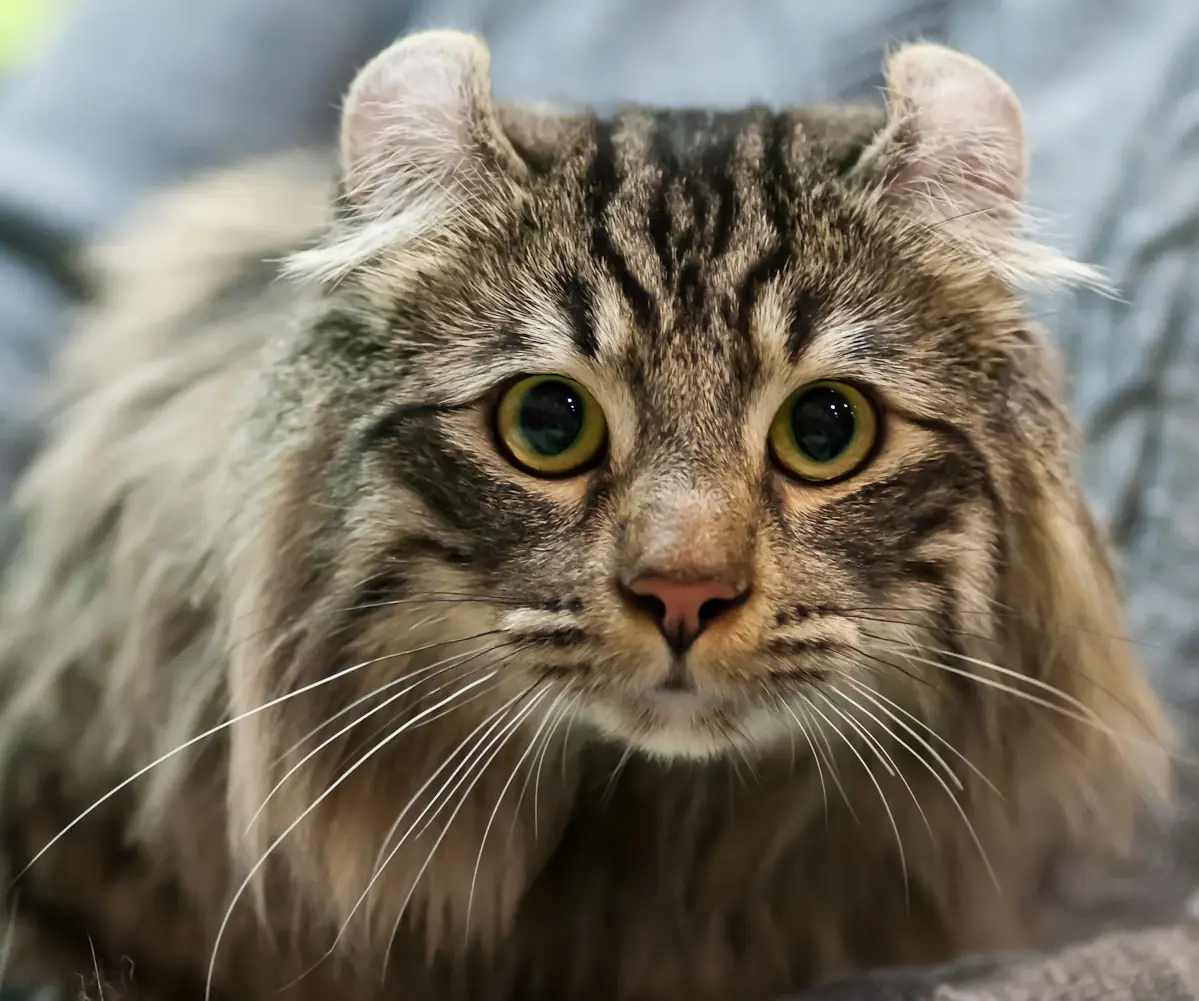

Photos: Wikimedia Commons - author & licence shown when enlarged and on the Photo credits page.
Temperament
Curls are exceptionally people-oriented, torn between helping with dinner, sorting the mail and chasing your shoelaces [1]. They're affectionate, easygoing and settle into new homes in record time [1]. Intelligent and curious, they chirp little comments on what you're doing [1]. Lively but never annoying, and kitten-like into adulthood, they do well with children of all ages [1]. They tend to respect other pets and get along with dogs and cats [1].
Care
Health
- Diverse gene pool: outcrossing to random-bred cats was allowed until 2015; CFA says no breed-linked health issues have surfaced [1].
- Testing: many breeders still test regularly for Recessive gene: The trait only shows when a cat gets the gene from both parents; carriers look normal. All terms conditions from the wider cat population [1].
- Lifespan: petMD estimates 12–16 years [5].
This is general information; talk to your vet about any specific concern.
Don't confuse with…
- Scottish Fold: ears fold forward and down [4], the opposite of the Curl's backward curl [1].
Ask your vet. This information is for reference only and does not replace a veterinary diagnosis.
Cat facts
Frequently asked questions
Is the American Curl like the Scottish Fold?
No. The Scottish Fold's ears fold forward and down [4], while the Curl's ears curl backward [1].
Are American Curl kittens born with curled ears?
No. Ears are straight at birth, start curling at 3–5 days and set at around 16 weeks. The curl varies from almost straight to a 90–180 degree arc [1].
How do you clean an American Curl's ears?
Use a cotton swab soaked in ear cleaner, work up and away from the canal opening, and never pull on the delicate cartilage [1].
Similar breeds


Breed photos: Wikimedia Commons (CC0 / CC BY / CC BY-SA) - authors & licences on the Photo credits page.
References
- CFA, American Curl (breed profile & standard)
- FIFe, Breeds (ACL/ACS American Curl longhair/shorthair)
- TICA, Browse All Breeds (American Curl listed)
- CFA, Scottish Fold (breed profile & standard)
- PetMD, American Curl cat breed profile
Accessed: 2026-10-02
CFA, TICA, FIFe and GCCF are the major cat registries in the US, Europe and the UK. See the glossary
Written by Catopedia from the sources above. Photos credit their author and licence under each image and on the Photo credits & licences.